
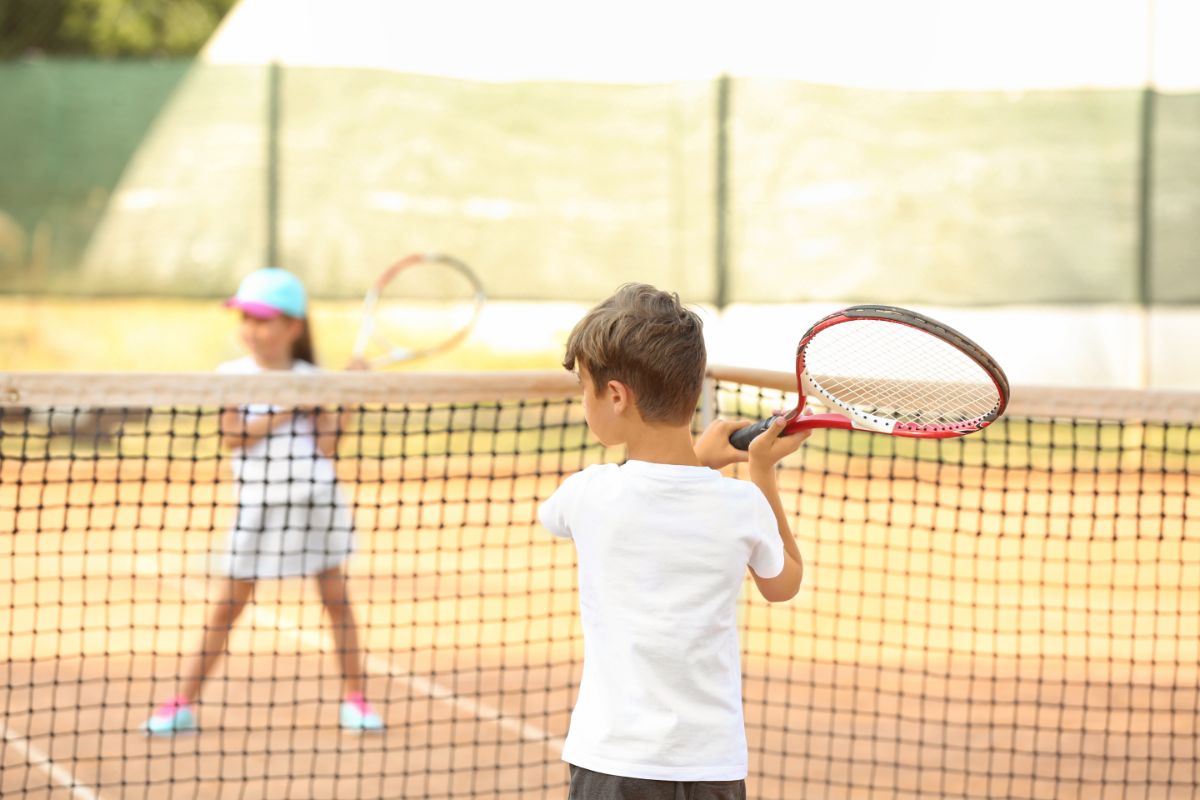
Why Sports Are Beneficial For Children
Engaging children in sports from a young age offers a wide range of benefits that go beyond physical fitness. Sports help kids develop important life skills, social connections, and a positive mindset. Inspired by the teachings of this private school in Gloucestershire, let’s explore the reasons why sports are so beneficial for children.
Physical Health and Fitness
One of the most apparent benefits of sports is the boost to a child’s physical health. Regular physical activity helps children maintain a healthy weight, build strong muscles and bones, and improve cardiovascular health. In an era where sedentary activities, such as screen time, are more common, sports provide a fun way to keep children active.
Sports also teach children the value of exercise and physical wellness. By participating in games and training, kids learn early on that being active isn’t just good for their bodies—it can also be enjoyable. The habits they build while playing sports can set a foundation for lifelong physical fitness and health.
Emotional and Mental Well-being
Sports aren’t just about physical development—they also play a critical role in emotional and mental well-being. Participation in sports can significantly reduce stress and anxiety in children. Exercise triggers the release of endorphins, also known as the “feel-good” hormones, which can help improve a child’s mood and reduce feelings of depression.
Children who participate in sports also tend to have higher self-esteem. Being part of a team, mastering a skill, or even just having fun playing with friends can give children a sense of accomplishment and boost their confidence. Learning to cope with both success and failure on the playing field can translate into better emotional resilience in other areas of life.
3. Developing Social Skills
Team sports, in particular, offer a fantastic environment for developing social skills. Children learn the importance of teamwork, communication, and cooperation as they play alongside their peers. Being part of a team fosters a sense of belonging and teaches kids how to work towards a common goal.
In addition, sports provide children with opportunities to interact with peers and adults outside of their regular social circles. They learn how to listen to coaches, respect referees, and collaborate with teammates, which helps them develop social skills that are critical for building relationships throughout life.
4. Building Discipline and Time Management
Sports require dedication and practice, which teaches children about discipline. They learn that consistent effort and focus are needed to improve in any skill, and this can positively impact other areas of their lives, including academics.
Time management is another valuable lesson that children can gain through sports. Balancing school, sports, and other activities helps kids develop the ability to manage their time effectively. This skill will serve them well in future endeavours, both in school and later in their careers.
Encouraging a Growth Mindset
Sports also help children develop a growth mindset—the belief that abilities can be developed through dedication and hard work. In sports, failure is part of the game. Whether it’s missing a shot or losing a match, kids learn to see setbacks as opportunities for improvement. This mindset can inspire resilience and perseverance, which are essential for success in any area of life.
Sports provide children with much more than just physical activity. They foster emotional well-being, encourage social interactions, teach discipline, and instil a growth mindset. By participating in sports, children not only enjoy the fun and excitement of the game but also develop essential life skills that will benefit them for years to come. Whether it’s through team sports or individual activities, encouraging children to engage in sports can have a lasting, positive impact on their overall development.
*This is a collaborative post


