
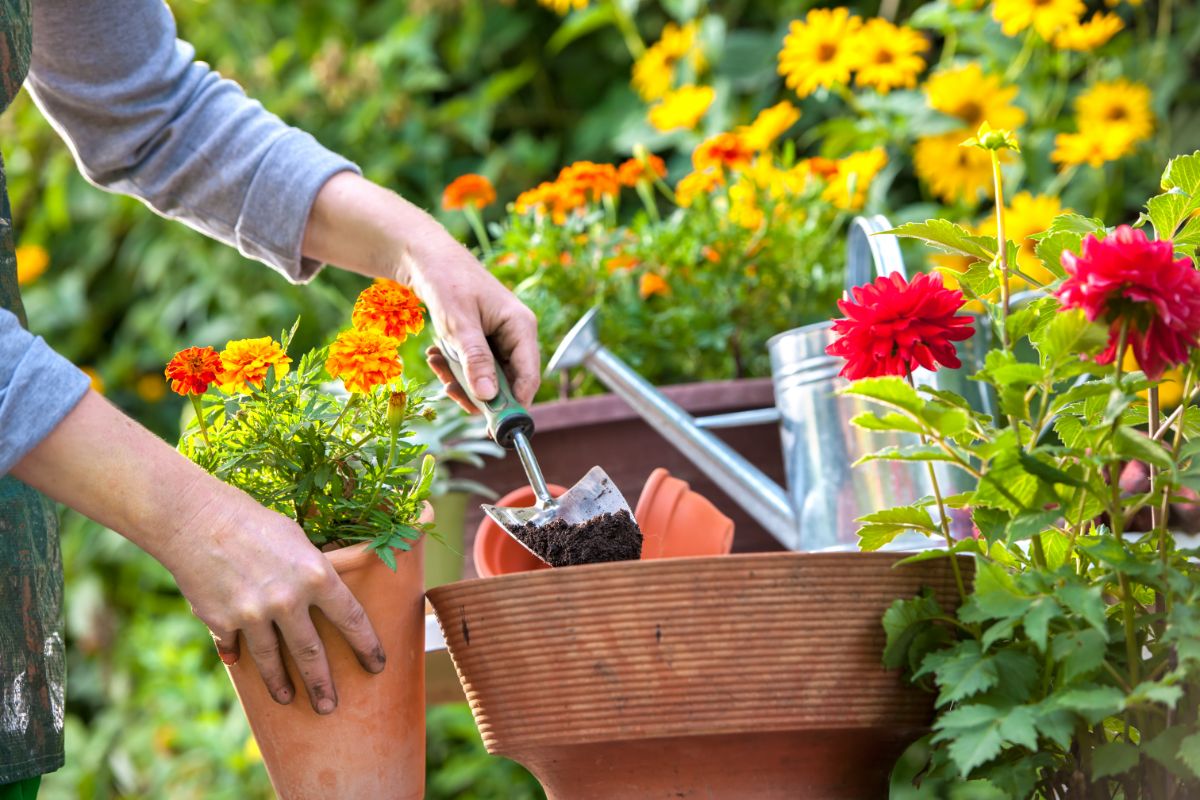
Tips for Managing Your Garden
Gardening is a rewarding hobby that brings beauty, tranquility, and even fresh produce to your life. Whether you have a sprawling lawn or a cosy balcony, managing your garden effectively ensures it thrives throughout the seasons. Here are some essential tips for maintaining a lush and vibrant garden.
1. Plan Before You Plant
Assess Your Space
Before you start planting, evaluate the space you have. Consider factors like sunlight, shade, soil type, and the size of your garden. Understanding these aspects will help you choose the right plants for your garden’s conditions.
Design Your Layout
Create a garden layout that includes designated areas for different types of plants. Group plants with similar needs together for easier maintenance. Use a mix of heights, colours, and textures to add visual interest.
Lawn Care
Your lawn is often the centerpiece of your garden. Mow high (around 2.5 to 3.5 cm for many lawns) to shade the soil and reduce weed germination. Aerate compacted soil to let air, water, and roots move freely. Overseed bare patches during the growing season.
If you’re considering an alternative to natural grass, you might look into specialist services: for example, a turf company in Plano which focuses on artificial turf installation and maintenance, can give you a low-maintenance, green solution year-round.
2. Choose the Right Plants
Consider Maintenance Levels
Select plants based on the amount of time you can dedicate to gardening. Some plants require more care than others. For beginners or those with limited time, opt for low-maintenance varieties.
3. Soil Health is Key
Test Your Soil
Make sure to conduct a soil test to assess its pH and nutrient levels. This information will guide you in amending your soil to create the best growing conditions for your plants.
Compost and Mulch
Incorporate compost to enrich your soil with organic matter. Remember to apply mulch in order to retain moisture, prevent weed growth, and regulate soil temperature. Organic mulches, like bark or straw, also break down and improve soil structure over time.
4. Water Wisely
Understand Water Needs
Different plants have varying water requirements. Group plants with similar needs together and water them accordingly. It is important to remember that overwatering can be just as harmful as underwatering.
Efficient Watering Techniques
Make sure to water your garden early in the morning or late in the evening for best results. Use a hose or sprinkler to deliver water directly to the roots, reducing wastage.
5. Pruning and Deadheading
Regular Pruning
Prune your plants to remove dead or diseased branches, encourage new growth, and maintain their shape. Pruning also enhances air circulation, which reduces the likelihood of fungal diseases.
Deadhead Spent Flowers
Remove spent flowers to promote further blooming. Deadheading prevents plants from expending energy on seed production, redirecting it to growth and flower development.
6. Pest and Disease Management
Monitor Regularly
Make sure to regularly inspect your plants for any signs of pests and diseases. Early detection allows for prompt action, minimising damage.
Natural Remedies
Opt for natural pest control methods, such as introducing beneficial insects like ladybugs and using neem oil or insecticidal soaps. Avoid chemical pesticides that can harm beneficial insects and the environment.
DIY Pest Control Solutions
In addition to natural remedies, consider using DIY pest control methods to tackle a variety of common pests. For rodents like mice, set up DIY mouse traps in problem areas. These traps can be an effective way to control rodent populations without resorting to harsh chemicals. Regular maintenance and monitoring will ensure a pest-free environment.
7. Seasonal Care
Spring and Summer
In spring, focus on planting, feeding, and weeding. As summer progresses, maintain a regular watering schedule and protect plants from extreme heat.
Autumn and Winter
In Autumn, clean up fallen leaves and debris to prevent pests and diseases. Mulch perennials to protect their roots from freezing temperatures. In winter, plan for the next growing season and maintain garden tools.
8. Sustainable Gardening Practices
Composting
Set up a compost bin for your kitchen scraps and garden waste. Composting reduces landfill waste and provides rich organic matter for your soil.
Water Conservation
Collect rainwater in barrels for garden use. Implementing drought-resistant plants and xeriscaping techniques can significantly reduce water usage.
Conclusion
Managing your garden effectively requires a blend of planning, knowledge, and regular care. By choosing the right plants, maintaining soil health, watering wisely, and using sustainable practices, you can create a thriving green oasis that brings joy and satisfaction throughout the year.


